
Piece Six: Strategic Scheduling, The Cadence of Performance
[ 6 ]
A pervasive myth, championed by productivity gurus, romanticizes the notion of nonstop work. This doctrine of unrelenting labor and self-imposed isolation is not merely unsustainable; it is profoundly counterproductive. Your brain is a biological organ, not a machine. It operates in cycles of intense effort and necessary recovery. To push it relentlessly is to trade peak performance for the mere hallucination of it, a path that ends not in triumph but in burnout.
This piece addresses the critical principle of strategic scheduling. True productivity is not found in the sheer volume of hours worked but in the intelligent design of your entire life. This involves mastering two complementary arts: the rigorous planning of your work and the intentional scheduling of your recovery.
The Paradox of Planned Leisure
To neglect recovery is to attempt a marathon without water. An initial burst of speed is inevitable, but debilitating fatigue will ultimately cripple your performance. You have likely experienced this firsthand: after working late into the night, you review your efforts the next morning only to discover the quality is profoundly subpar. That is cognitive fatigue in action. Your brain was operating, but it was not operating optimally.
The gurus demanding monk-like isolation miss a fundamental truth of human psychology. We require connection, novelty, and relaxation not just for our wellbeing, but for our sustained effectiveness. Exposing your mind to different stimuli, whether through engaging with friends, immersing yourself in art, or exploring a hobby, fuels creativity. It grants your subconscious the space to process information and forge connections that focused effort alone cannot.
The true power of scheduled leisure, however, is the psychological freedom it unlocks. When you know that dedicated time for enjoyment is on your calendar, the nagging fear of missing out dissipates. It becomes far easier to immerse yourself in deep work because recreation is not a vague hope; it is a guaranteed appointment. You grant yourself permission to be fully focused.
Conversely, when the scheduled time for leisure arrives, you grant yourself permission to fully disconnect without guilt. Thoughts of work are less likely to intrude because your professional responsibilities have their own protected time. This deliberate separation enables you to inhabit both states completely, achieving profound focus when working and genuine restoration when recovering.
Treat your leisure with the same gravity as a professional commitment. Schedule it. Block it out on your calendar. This structured approach also breaks the cycle of impulsive indulgence. Giving in to random temptation weakens your discipline, whereas adhering to a plan reinforces it.
The Mechanics of Initiating Action
While planned recovery builds your capacity for work, you must still overcome the inertia of starting. Waiting for a wave of inspiration is a flawed strategy. Inspiration is the reward for action, not its prerequisite. That perfect, motivated mood rarely arrives on its own.
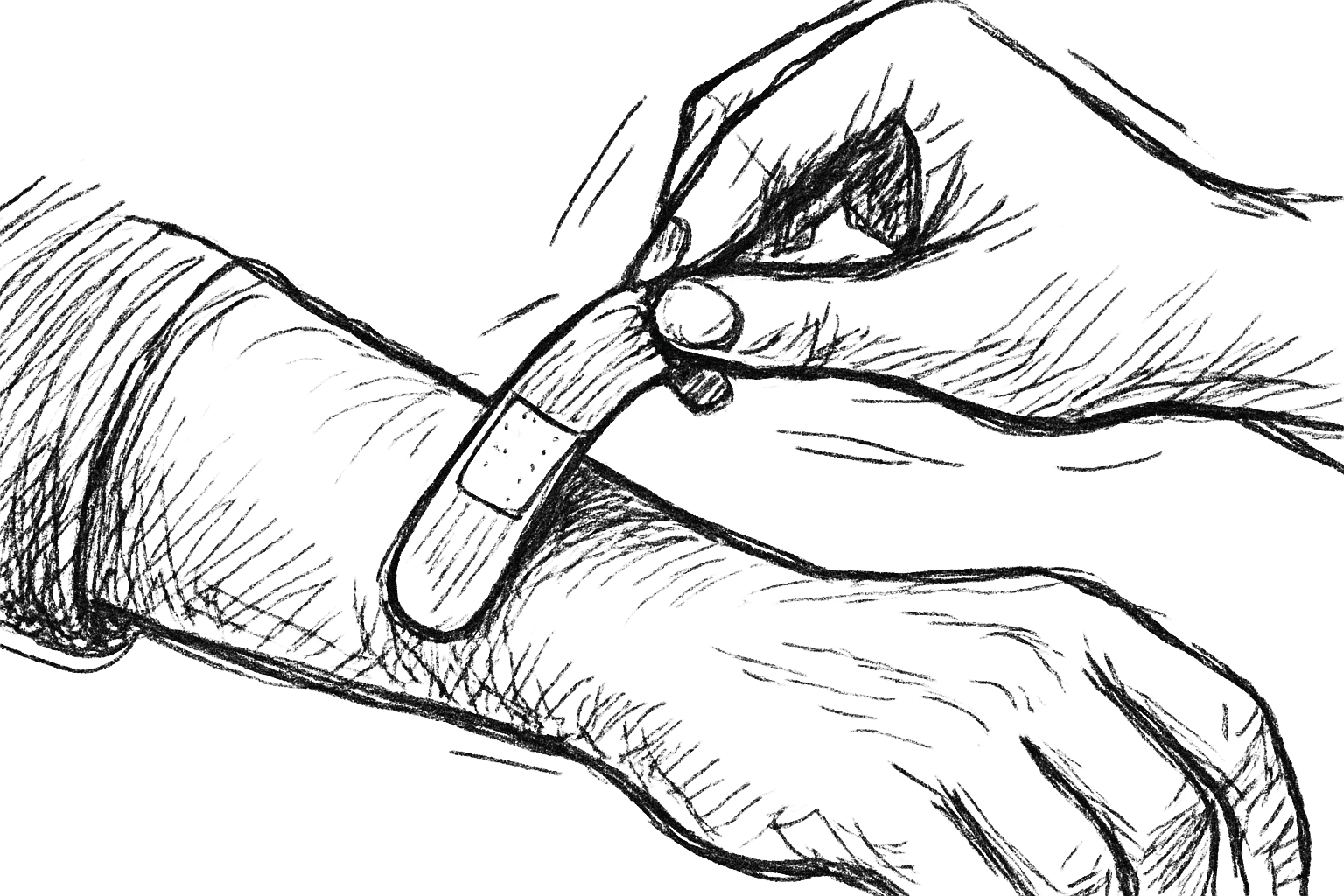
Here, you must learn to Rip Off the Band-Aid. The brief sting of pulling a bandage is trivial compared to the discomfort of leaving it on too long. The same is true for tasks you dread. Cease ruminating on your reluctance. Stop waiting to feel ready. Execute the first, smallest step.
This is a direct application of the "Become to Achieve" philosophy. Does the best version of yourself procrastinate while waiting for the right feeling? No. They identify what must be done and they initiate. Ripping off the Band-Aid is the physical act of embodying that ideal self in the present moment.
A powerful tactic is to build a simple, pre-work ritual that engineers momentum. By starting with an effortless action and incrementally increasing the difficulty, you signal to your brain that it is time to shift from a passive to an active state.
Consider this micro-script, a countdown protocol designed to bypass resistance:
5. Close all extraneous tabs and silence notifications.
4. Place both feet flat on the floor; straighten your posture.
3.Open the necessary laptop or notebook.
2. Launch the specific document you need to work on.
1. Type a simple placeholder header, such as "Working Draft," and press Enter.
Go.
The moment you complete that first keystroke, the spell of procrastination often breaks. The initial friction is the most difficult to overcome. Once you are a minute into the task, momentum becomes a powerful ally, carrying you forward into a state of productive flow.